Implantology Education for US & Canadian Dentists
From clinical skills to practice growth: an objective look at live-patient implant training at home and abroad.
The Rise of Implant Dentistry in the US & Canada
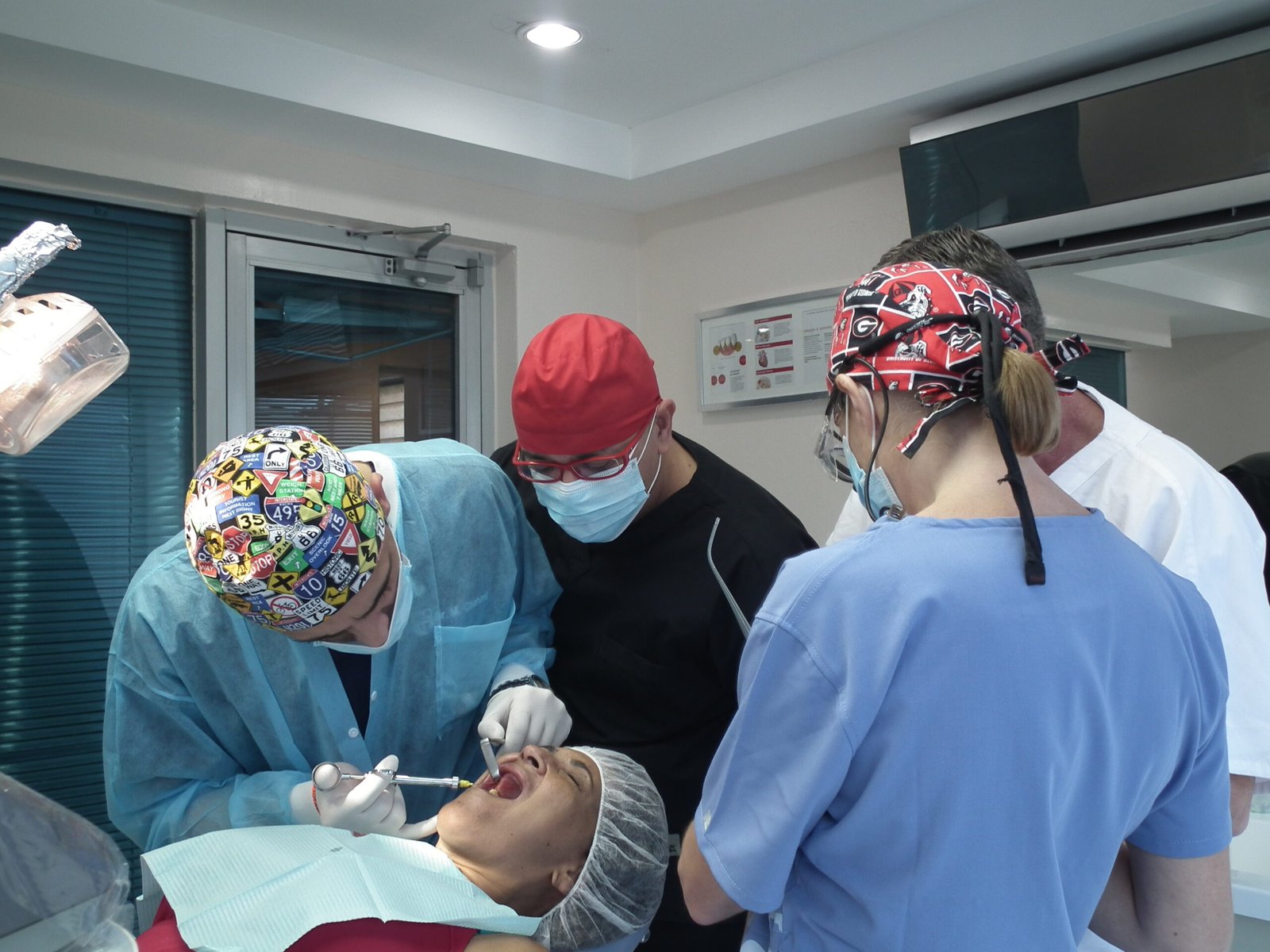
An aging population, higher aesthetic expectations, and better access to financing are driving a sustained boom in implant dentistry across North America.
As the population ages, more adults are living longer with complex restorative needs. At the same time, patients increasingly expect fixed, natural-looking solutions instead of removable dentures. Insurance plans and third-party financing have also made implants more accessible, turning what used to be a luxury treatment into a mainstream option.
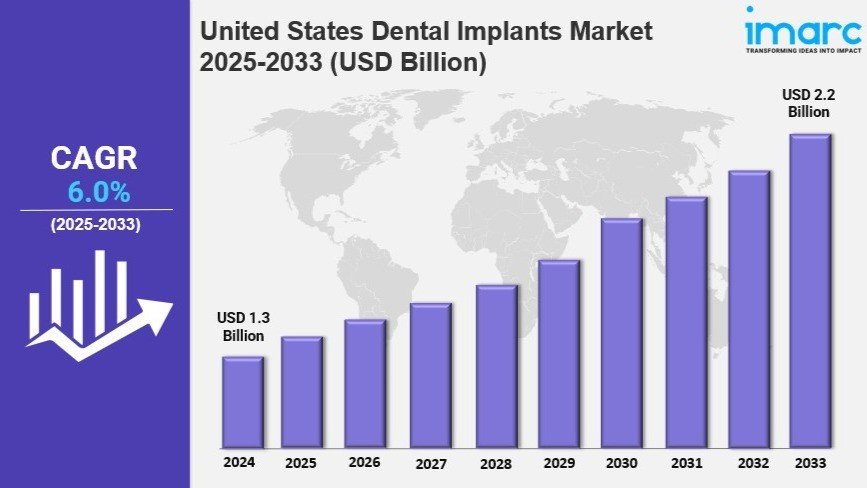
For general dentists, this shift creates both an opportunity and a challenge. Implant demand is rising, yet many clinicians received little or no live-surgery experience in dental school. Practices that integrate implants can offer more comprehensive care, while those that don’t risk losing patients to competitors who do.
Why General Dentists Cannot Ignore Implantology
Implants are no longer optional. They shape how patients perceive your practice, your clinical scope, and your long-term growth.
- Offer fixed, long-term solutions instead of removable prostheses.
- Improve occlusion, function, and bone preservation with implant-supported restorations.
- Elevate your surgical skills (flap design, suturing, bone management).
- Reduce complications associated with compromised bridgework or ill-fitting dentures.
- Differentiates you from peers in your local market.
- Opens doors to teaching, speaking, and leadership roles.
- Strengthens your professional profile with advanced clinical credentials.
- Brings renewed satisfaction and motivation to daily practice.
- Adds a high-value revenue stream to your practice.
- Keeps patients in-house instead of referring them out.
- Improves patient loyalty and word-of-mouth referrals.
- Supports investment in technology (like CBCT) with clear ROI.
Types of Implantology Training: From Theory to Live-Patient
From short online modules to intensive live-surgery residencies, each format plays a role. The key is knowing what each type can (and cannot) offer.
Most dentists start with theoretical courses and model-based workshops, then progress to mentored cases and live-patient programs. Below is an objective comparison to help you position where you are now and what your next step could be.
| Training Type | Hands-on Level | # Surgeries | Typical Duration | Cost & Time | Ideal Candidate |
|---|---|---|---|---|---|
|
Theoretical (online / in-person)
|
Lecture only | 0 | ~8–20 hrs | Low cost; 1–2 days or self-paced | Newcomers exploring implantology |
|
Hands-on (models / typodonts)
|
Simulated practice | 0 (no live patients) | ~20–30 hrs | 2–3 day workshops; moderate cost | Dentists building basic surgical confidence |
|
In-office mentoring
|
High (your own patients) | 1–5+ cases | Variable | Flexible; mentor fee per day/case | First real cases in your own practice |
|
Live-patient (domestic)
|
High (real patients) | ~5–15 | ~30–50 hrs | Multi-day or modular; higher cost | Those wanting live experience without leaving the country |
|
Live-patient (abroad)
|
Very high (intensive) | 20–30+ implants | ~50–60 hrs | 1 week abroad; premium but efficient | Dentists seeking maximum surgical volume in short time |
Evaluating International Live-Patient Training
Travel-based programs offer concentrated surgical volume and structured mentorship that are often hard to replicate at home. However, evaluating the academic rigor is crucial.
In Latin America, well-designed programs combine supervised treatment for local patients with intensive hands-on training. For many clinicians, a single week abroad provides more live-surgery experience than several years of sporadic in-office cases.
- Very convenient for US-based dentists.
- Multiple live-patient programs available.
- Program structure and academic oversight can vary widely.
- Strong track record of structured, university-backed courses.
- Ideal balance of supervision, patient flow, and academic structure.
- Highly regulated clinical environment.
- Known for cutting-edge implantology.
- Good for clinicians seeking complex grafting exposure.
- Travel time and language differences can be challenging.
Mexico:
Convenience
★★★★★
Case volume
★★★★☆
Dominican Republic:
Academic Structure
★★★★★
Case volume
★★★★★
Brazil & S. America:
Advanced techniques
★★★★★
Travel convenience
★★☆☆☆
International Dental Implantology Training (IDIT)
An exemplary model of structured live-patient training. As the official practical module of the Master in Implantology and Digital Rehabilitation at Universidad Odontológica Dominicana (UOD), this program prioritizes small cohorts and rigorous academic oversight.
Hosted entirely within a modern university clinic in Santo Domingo, IDIT stands out for its small group methodology (strictly 2 dentists per chair), ensuring personalized mentorship. The program is organized into two distinct levels based on clinical experience.
Participants use the globally recognized Straumann Neodent Grand Morse implant system. For full curriculum details, visit the official site at implantologycourse.training .
Level 1 – Implant Foundations
- 30 implants placed per participant (guaranteed).
- 30 additional implants assisted as part of the 2-per-chair rotation.
- Focus on everyday, reproducible cases, flap design, and primary stability.
Level 2 – Advanced Sinus Lift
- 7 lateral window sinus lifts per participant (guaranteed).
- Membrane management, grafting, and simultaneous implant placement when indicated.
- Close supervision by experienced maxillofacial surgeons and periodontists.
Academic Integrity
- Official module of the UOD Master's degree program.
- University Certificate issued upon completion.
- Ethical patient selection provided by the university.
- Three months of post-course online mentorship included.
Logistics & Structure
- 5 consecutive clinical days (Monday to Friday).
- Small cohorts: 2 dentists per chair.
- Hotel, daily transport, and lunches included.
- English as the main teaching language.
Strictly 2 Dentists Per Chair
Level 1: 30 implants | Level 2: 7 lateral sinus lifts
UOD Master's Module • University Certified
A prime example of high-volume clinical training balanced with academic rigor. Participants alternate as primary surgeon and assistant to maximize learning and surgical safety.
From Course to Clinic: The Real Impact on Your Practice
The value of implant training is measured in years of sustained growth, better patient care, and a stronger clinical identity.
Example scenario only. Actual results depend on your case mix, fees, and how proactively you integrate implants into your practice.
Frequently Asked Questions
A few common questions from general dentists considering live-patient training.
Do I need prior implant experience to join Level 1?
Why is the "2 dentists per chair" ratio important?
Is international training safe and ethical for patients?
Are complex bone augmentations included in Level 2?
Why choose the Dominican Republic for training?
About the Author
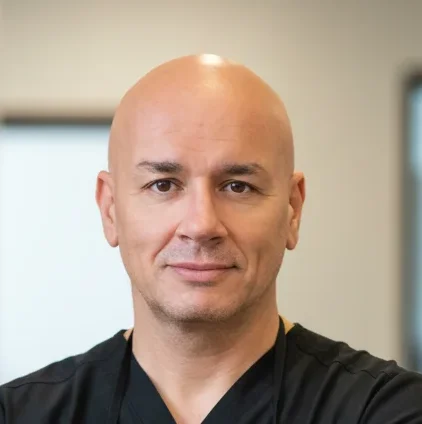
Dr. Badí Haddú, DDS is an implantologist, educator, and course director with more than 25 years of clinical experience. Based in Spain, he has placed thousands of implants and mentors dentists from around the world in live-patient training programs in the Dominican Republic.
As the director of the International Dental Implantology Training (IDIT), Dr. Haddú focuses on structured, evidence-based protocols and close mentorship within the UOD framework.
Contact & Course Information
Ready to discuss upcoming dates, Level 1 & Level 2 availability, or group options? Click below to visit the IDIT contact page.
➡️ Visit IDIT Official Website